Step 1: Define Your Process Requirements
Start by identifying the specific role the gas will play in your process. Semiconductor manufacturing involves approximately 450 process steps and uses over 50 different gases, which are broadly categorized into bulk gases and specialty gases. Common applications include:
-
Etching: Fluorinated gases such as CF₄, CHF₃, C₄F₈, C₄F₆, and SF₆ are used for silicon and silicon dioxide etching.
-
Deposition: Silane (SiH₄), disilane (Si₂H₆), and TEOS are used for silicon dioxide and silicon nitride thin-film deposition.
-
Doping: Diborane and hydrogen mixtures may be required during doping to control decomposition.
-
Inerting and Purging: Noble gases including helium, neon, argon, krypton, and xenon are valued for their chemical inertness and stability in plasma and high-vacuum environments.
Step 2: Determine the Required Purity Grade
Purity is the most critical specification for specialty gases. Different applications demand different purity levels:
| Grade | Purity | Typical Applications |
|---|---|---|
| Electronic Grade | 99.999% (5N) and above | Semiconductor manufacturing, advanced node fabs |
| Industrial Grade | 99.9% – 99.99% | General industrial processes, metal fabrication |
| Medical Grade | Pharmacopoeia compliant | Healthcare, medical oxygen and nitrous oxide |
For advanced semiconductor nodes, allowable impurity limits are often below 1 part per billion (ppb) for moisture, oxygen, and hydrocarbons in ultra-high-purity grades.
Step 3: Evaluate Supplier Capabilities
When selecting a supplier, consider the following criteria:
-
Certifications: Look for suppliers with recognized certifications such as ASML and GigaPhoton certification for semiconductor-grade gases, ISO quality management systems, and REACH compliance for European markets.
-
Analytical Capabilities: Suppliers must maintain certified analytical laboratories and participate in cross-validation programs.
-
Supply Chain Reliability: Each new advanced fab requires 5–10 years of contracted gas supply, creating predictable, high-margin revenue streams for suppliers that can demonstrate purity certification, supply reliability, and on-site generation capability.
-
Documentation: Certificates of Analysis (COA), Material Safety Data Sheets (MSDS), and compliance documentation should be provided with each delivery.
Step 4: Consider Packaging and Logistics
Specialty gases require specialized packaging and transportation:
-
Cylinders: Standard high-pressure cylinders for small to medium volumes
-
Dewars: Liquid gas containers for cryogenic gases
-
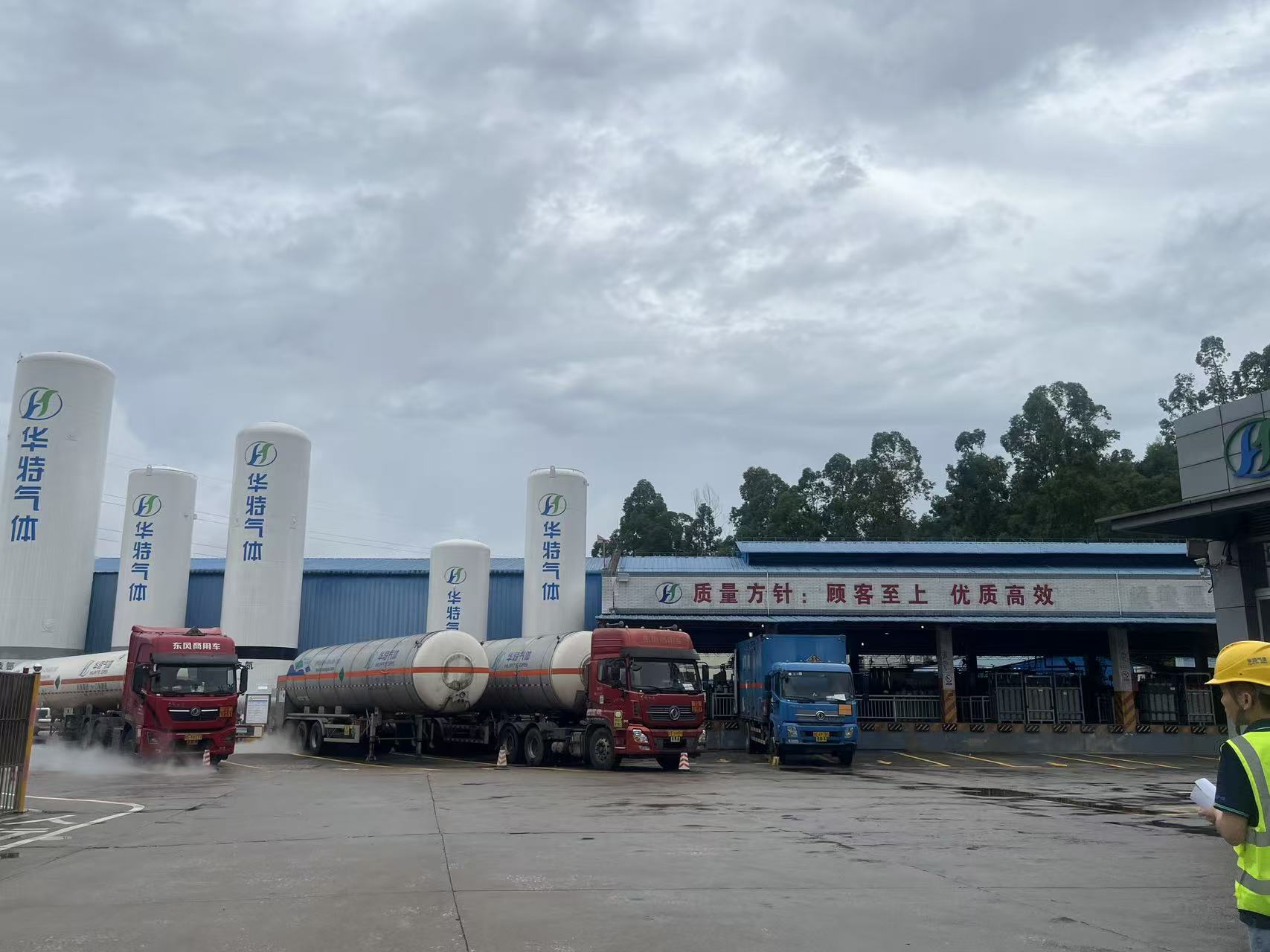
Tube Trailers: Bulk gas transport for large-volume supply
Ensure your supplier provides UN-compliant hazardous materials documentation and follows international safety standards for gas cylinder handling and storage.
Step 5: Factor in Regulatory Compliance
Different regions have different regulatory requirements:
-
Europe: REACH registration and downstream-use notification can add 12–18 months of lead time for introducing new precursor chemistries.
-
United States: Multi-layered regulatory framework covering environmental, safety, and trade compliance.
-
Asia-Pacific: National standards include Japan's High Pressure Gas Safety Act, China's TSG R0006, and India's SMPV rules.
Step 6: Total Cost of Ownership Analysis
Beyond the unit price, consider:
-
Purity premiums and technical service fees
-
Supply chain logistics costs
-
On-site generation vs. cylinder delivery economics
-
Long-term contract terms and pricing stability
Conclusion
Selecting the right specialty gas requires a systematic approach that balances technical requirements, supplier capabilities, regulatory compliance, and total cost. By following this framework, you can identify the optimal gas solution for your specific application.
Disclaimer:
The information provided in this article is for general informational purposes only and is based on publicly available data and industry reports. Guangdong Huate Gas Co., Ltd. does not claim ownership of third-party data referenced herein. Market data and forecasts are subject to change. Readers should conduct their own due diligence before making business decisions.
References:
-
Semiconductor Digest. "The Growing Demand for Laser-Grade Gases in Semiconductor Manufacturing." 2025.
-
IndexBox. "Bulk Specialty Gases Market in Asia-Pacific." 2026.
-
IndexBox. "Bulk Specialty Gases Market in the United States." 2026.
-
IndexBox. "CVD Source Gases Market in the European Union." 2026.