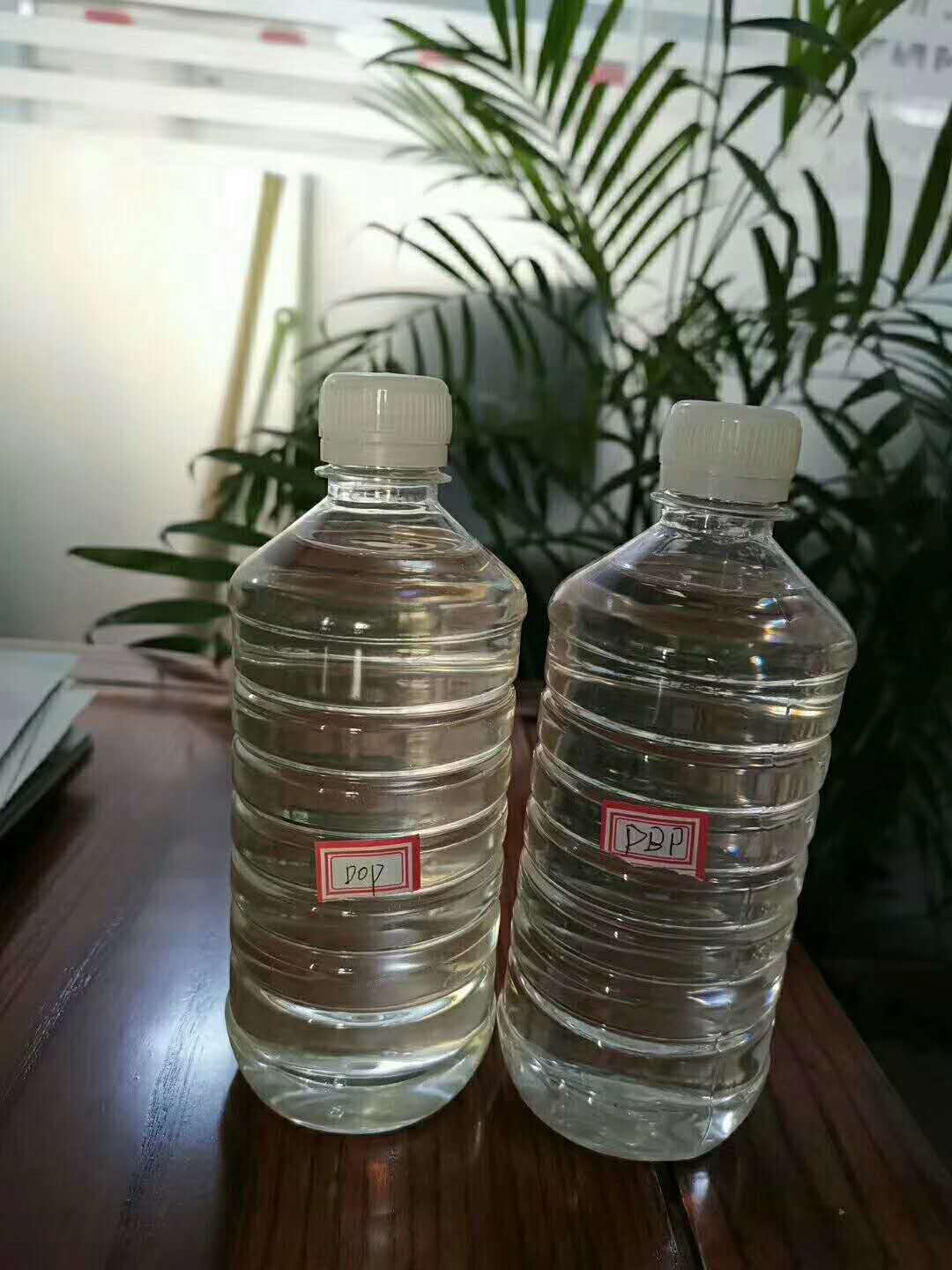
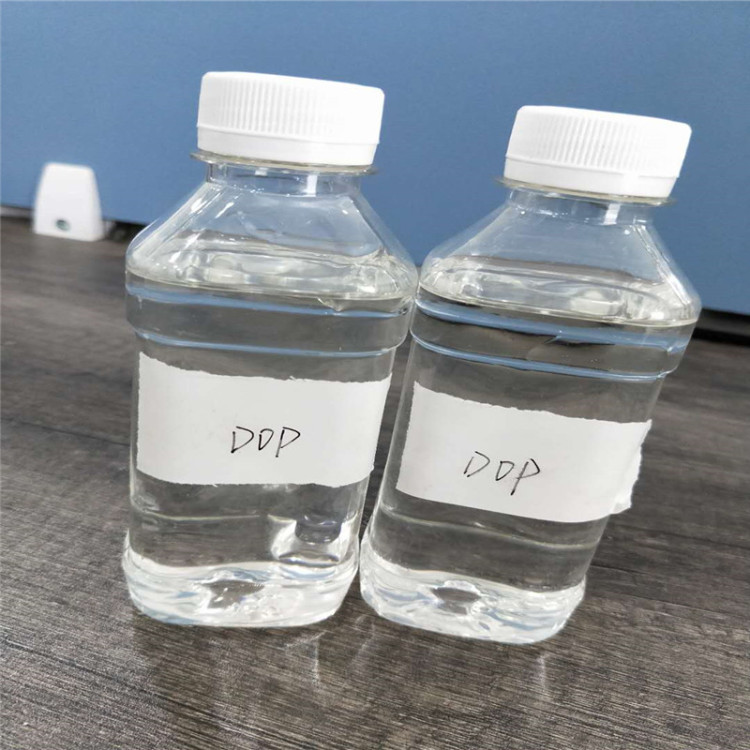
DOP (dioctyl phthalate)
Dioctyl phthalate is an important universal plasticizer, mainly used in the processing of polyvinyl chloride resin. It can also be used in the processing of high polymers such as synthetic resins, acetic acid resins, ABS resins, and rubber. It can also be used in paint making, dyeing, dispersants, etc.
1. General grade DOP: widely used in industries such as plastics, rubber, paint, and emulsifiers. PVC plasticized with it can be used to manufacture synthetic leather, agricultural films, packaging materials, cables, etc.
2. Electrical grade DOP: In addition to possessing all the properties of general grade DOP, it also has excellent electrical insulation performance, mainly used for the production of wires and electricity.
3. Food grade DOP: mainly used for producing food packaging materials.
4. Medical grade DOP: mainly used for the production of medical and health products, such as disposable medical devices and medical packaging materials.
Main purpose:
DOP is a universal plasticizer mainly used in the processing of polyvinyl chloride grease, as well as in the processing of high polymers such as chemical resins, acetic acid resins, ABS resins, and rubber. It can also be used in the production of paints, dyes, dispersants, etc. DOP plasticized PVC can be used in the manufacturing of artificial leather, agricultural films, packaging materials, cables, etc. Organic solvents, gas chromatography stationary phase.
It is the most widely used plasticizer in industry and has good compatibility with the vast majority of synthetic resins and rubbers used in industry. This product has good comprehensive performance, good mixing performance, high plasticizing efficiency, low volatility, good low-temperature flexibility, water resistance to extraction, high electrical performance, good heat resistance and weather resistance.
1. Overview:
Synthetic plant esters can replace expensive plasticizers such as dioctyl ester (DOP)/dibutyl ester (DBP) or ATBC/DOTP to reduce enterprise costs and increase product profits.
2. Performance:
Synthetic plant esters have excellent compatibility with PVC resin powder. Inhibit oil precipitation, light yellow without odor, excellent low-temperature resistance, no crystallization at minus 18 degrees Celsius, normal use in winter. The produced plastic products have high mechanical properties, excellent gelling ability, resistance to saponification and low migration, good electrical resistance, and significant stability at low temperatures.
3. Usage:
Maintaining the original formula can reduce production costs by about 30%. According to the needs of product performance, the formula and processing technology do not need to be changed, and DOP can be directly replaced with, with a substitution rate between 30% and 100%. When used in combination with DOP and DBP, the effect is better.
4. Application scope:
It can be widely used in PVC cable materials, leather, synthetic leather, transparent materials, soft and hard pipes, edge banding, acrylic boards, rubber, polyurethane, foam sandals, soft boards, coatings, glue, adhesives, decorative materials, etc.
Certified by SGS for ROHS, PAHs, 17P, and REACH.
Typical application: Synthetic plant esters are used as plasticizers for various products based on polyvinyl chloride (PVC), polyurethane (PU), natural rubber (NR), styrene butadiene rubber (SBR), nitrile rubber (NBR), and chloroprene rubber (CR).
Particle type: cable material, transparent, hose particles.