With the continuous recovery of downstream manufacturing, pharmaceutical processing, agricultural production and environmental protection industries worldwide in 2026, the entire fine chemical and organic solvent market has ushered in obvious structural changes in demand, procurement standards and supply chain layout. Upstream crude oil price fluctuations, international freight cost adjustments, as well as increasingly stringent global chemical safety and environmental protection regulations, have brought both challenges and new development opportunities to chemical raw material suppliers and end purchasers across all regions.
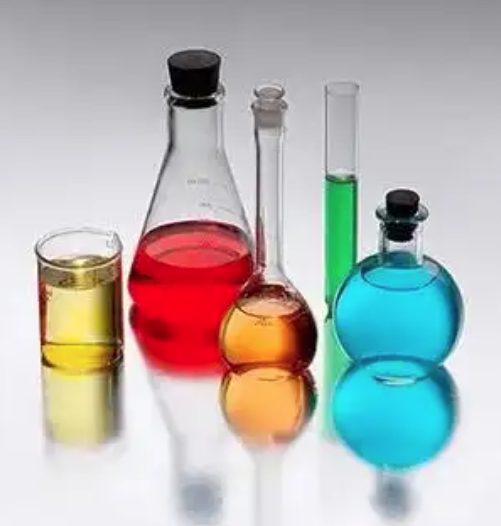
Organic solvents including alcohol series, ether series and acid-ester solvents still occupy the largest consumption share in the basic chemical raw material market, serving as core auxiliary materials for coatings, printing inks, textile printing and dyeing, leather processing, daily chemical products and electroplating industries. Meanwhile, driven by agricultural modernization and green planting trends, water-soluble NPK compound fertilizers have maintained steady annual demand growth; pharmaceutical and pesticide intermediates, various surfactants, industrial water treatment agents, oil-based fine chemicals and food-grade additives are also seeing rising market consumption year by year.
In the past few years, many downstream factories have suffered from intermittent supply shortages, unstable product purity, long delivery cycles and after-sales technical blank when purchasing chemical materials from scattered small suppliers. Against this backdrop, integrated chemical service providers equipped with large spot warehouses, complete product lines, strict quality inspection systems and professional technical service teams have gradually become the mainstream choice for medium and large industrial buyers.
Industry research institutions pointed out three major development trends of the chemical raw material industry for the next few years: First, customers pay more attention to spot inventory and rapid delivery capacity rather than simple low prices; Second, customized technical matching services for different production scenarios have become core competitive barriers for suppliers; Third, green, low-odor, low-toxicity environmentally friendly solvent products will gradually replace traditional high-pollution chemical materials under global environmental policies.
For domestic and overseas purchasers who need long-term stable procurement of diversified chemical raw materials, choosing a qualified enterprise with nearly 20 years of chemical circulation experience can effectively avoid supply risks, reduce comprehensive procurement costs, and obtain continuous technical support throughout the whole application cycle.